


Why Beautiful Objects Matter: From Ancient Pottery to Modern Living
Exploring how humanity’s relationship with beauty shaped civilizations and why we need to reclaim it today
Good morning. See this plate? It’s Luneville faience—made right here in France since 1728. This simple ceramic piece holds within it a story that spans 5,500 years, explaining why beautiful objects matter more than our modern world realizes. It’s a tale of ancient pottery and Renaissance textiles, of sailor’s treasures and grandmother’s China, but also of how beauty became evidence for legal rights and cultural survival.
The Ancient Origins: When Beauty Was Universal
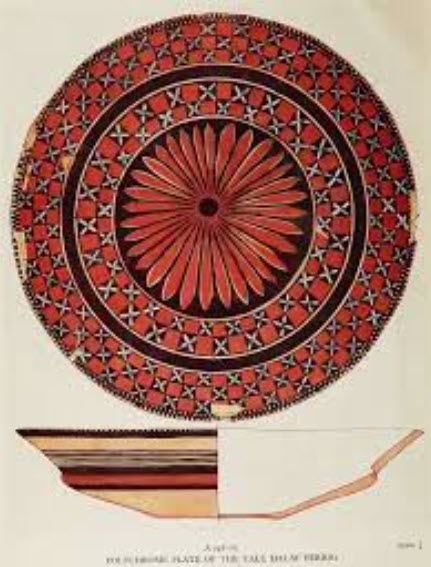
Our story begins 5,500 years ago in ancient Mesopotamia, where the Halaf people created pottery so magnificent it would make your heart sing. Picture burgundy gazelles dancing around golden flowers, fish swimming in terracotta seas. These weren’t just functional vessels—they were daily encounters with beauty.
Families gathered around fires, sharing meals from gorgeous bowls. As they ate, food gradually revealed the artwork beneath. Dinner wasn’t merely sustenance; it was a celebration of human creativity. This is why beautiful objects matter—they transform ordinary moments into sacred ones.
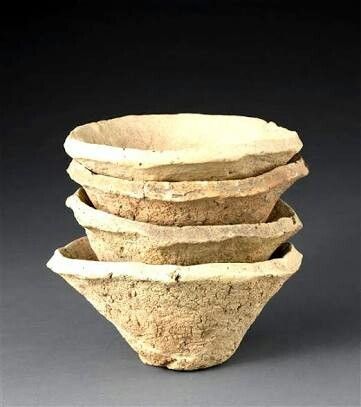
But then came what we call civilization: temples, bureaucracy, efficiency. The magnificent Halaf pottery disappeared, replaced by crude “beveled rim bowls”—essentially the Styrofoam containers of the ancient world. Beauty became the privilege of the powerful, while common people ate from utilitarian vessels.
Medieval Darkness: When Color Disappeared
This pattern repeated throughout history. Medieval Europe existed as a world drained of color. Most people wore rough, undyed wool in browns and grays, eating from pewter or crude earthenware. Color belonged to kings and bishops.
Living in thick-walled stone houses with small windows and expensive candles, life became beige. People stopped making art with their daily lives—they were surviving. Beauty existed but remained locked away in cathedrals and castles. The common people lived in a world as colorless as those ancient beveled rim bowls.
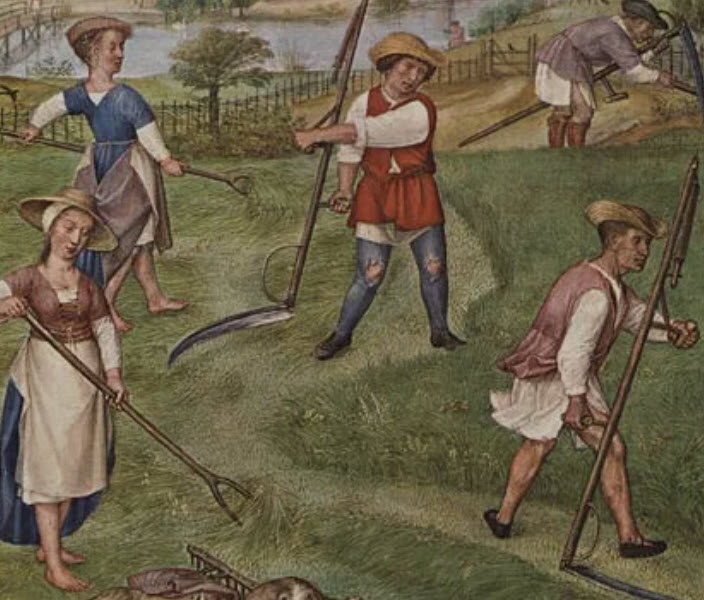
Understanding why beautiful objects matter requires recognizing what happens when we lose them: life becomes mere survival rather than celebration.
The Renaissance of Color: When Beauty Became Democratic
Then came the age of exploration, and everything changed. Sailors returned from China with porcelain so fine, so brilliantly white with vivid blues, that Europeans called it “white gold.” Imagine seeing Chinese porcelain for the first time after centuries of rough brown pottery—like discovering color after living in black and white.
Indian textiles brought another revolution. Cotton printed with bright flowers, called “Indiennes,” dazzled European women accustomed to rough wool and linen. The French went mad for these colorful imports, discovering kaolin clay near Limoges to make their own porcelain. Faience workshops bloomed across France—in Quimper, Rouen, and Moustiers.
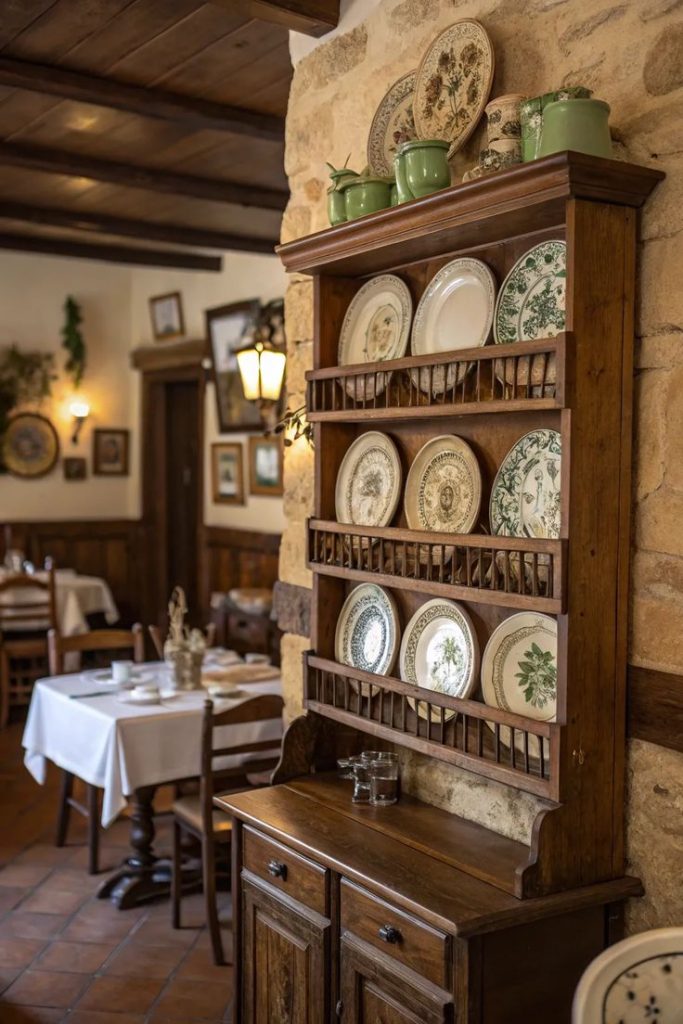
Suddenly, even a farmer’s wife could own a plate decorated with flowers. The French invented the “vaisselier”—beautiful cupboards designed to display colorful dishes on walls. Pottery wasn’t hidden in cabinets; it became art on display.
This demonstrates why beautiful objects matter: they’re not about wealth but about human dignity and the universal need for beauty.
The Tunica Treasure: When Beauty Becomes Legal Evidence
The story takes an unexpected turn across the ocean. Native American tribes were equally enchanted by European trade goods—not just practical metal tools, but colorful ceramics, brilliant glass beads, and decorated fabrics.
The Tunica people of Louisiana, French allies and trading partners in the 1700s, received beautiful objects as gifts of friendship. When archaeologists discovered a Tunica burial site in 1968, they found thousands of glass beads, European ceramics, and decorated pottery buried with loved ones.
Some might dismiss these as mere status symbols, but they represented something deeper—the same human need for beauty that made French farmers display colorful plates. The Tunica understood what we’ve forgotten: beautiful objects feed the soul.
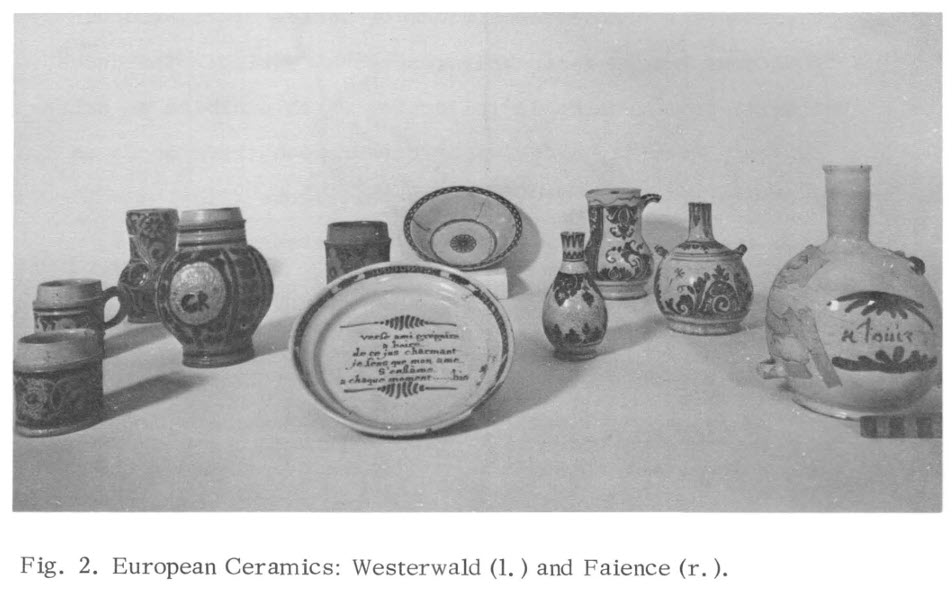
Here’s where understanding why beautiful objects matter becomes profound. For generations, the Tunica-Biloxi people struggled for federal recognition. The government didn’t believe they still existed as a tribe. But the discovery of their treasure trove changed everything.
The fact that their ancestors treasured these “pretties” enough to bury them became proof of continuous cultural identity. Those colorful beads and decorated pots weren’t just beautiful—they were evidence of who the Tunica people were.
Beauty as Cultural Identity and Legal Rights
The archaeological study of the Tunica Treasure helped the tribe gain federal recognition in 1981. More importantly, it inspired the Native American Graves Protection and Repatriation Act (NAGPRA), recognizing that beautiful, sacred objects aren’t just museum artifacts—they’re part of living cultures.
Think about this: people’s love of beauty became the foundation for legal rights and cultural recognition. Those “pretties” our practical modern world might dismiss as frivolous became identity, heritage, and proof of human dignity.
This is perhaps the most powerful example of why beautiful objects matter—they can literally prove our existence and preserve our cultures.
The Democratic Nature of Beauty
Whether French patchwork skirts, Tunica burial beads, or Chinese porcelain in European castles, the pattern remained consistent: beauty became democratic. Wealth wasn’t required for participation.
A farm wife could piece together scraps of precious Indiennes into a patchwork skirt. A Native American could trade for colorful beads. A potter could paint a simple bowl with a bright yellow flower. Even during the Depression, flour companies printed beautiful patterns on feed sacks because they knew women would sew with them.
People understood that beauty required ceremony. Sunday dinner meant good china. Special occasions meant colorful tablecloths. Beauty marked moments as sacred and memorable.
The Modern Loss: Convenience Over Beauty
Then came the 20th century’s promise of convenience. Why wash delicate china when you could use paper plates? Why set a proper table when you could microwave dinner in plastic containers?
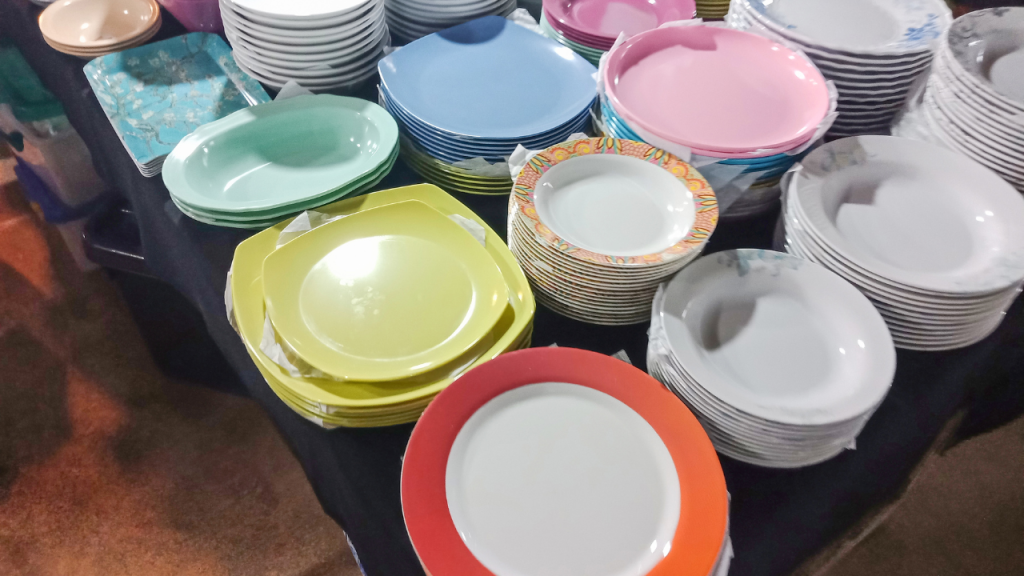
We threw out wood furniture for Formica-topped tables and Melamine dishes. We told ourselves we were being practical, efficient, modern. But look what we traded away.
Once again, like those ancient Mesopotamians, we chose utility over beauty. We returned to eating daily bread from the equivalent of beveled rim bowls. We painted walls beige, bought mass-produced furniture, ate from identical white plates. We convinced ourselves that caring about beauty was frivolous.

But the Tunica people proved something important: caring about “pretties” isn’t frivolous—it’s fundamental to human nature.
Reclaiming Beauty in Modern Life
Here in France, I discovered what I’d lost. Every Thursday at the village market in Boussac, I buy vegetables arranged like art, carrying them home in a neighbor’s woven basket. I serve soup in bowls made by a local potter, use fabric napkins, and light candles—not for special occasions, but because Tuesday dinner deserves beauty.
The evening promenade still happens here. People dress nicely for walks, not to impress but to participate in the daily ceremony of community life. Beauty remains democratic, accessible, and valued.
Follow Me On My YouTube Channel For Even More♥
Why Beautiful Objects Matter Today
Understanding why beautiful objects matter means recognizing that color isn’t just decoration—it’s soul-soothing. Display isn’t showing off—it’s affirmation of our humanity.
When we surround ourselves with beautiful things, when we take time to arrange something pleasingly, when we use good china instead of paper plates, we’re participating in an ancient human tradition. We’re proving that beauty matters, that we matter, that life deserves celebration.
Taking Action: Small Steps Toward Beauty
Start small. Replace one plastic item with something handmade. Use good china on Wednesday. Display something colorful where you’ll see it daily. Remember—you’re not being impractical; you’re being human.
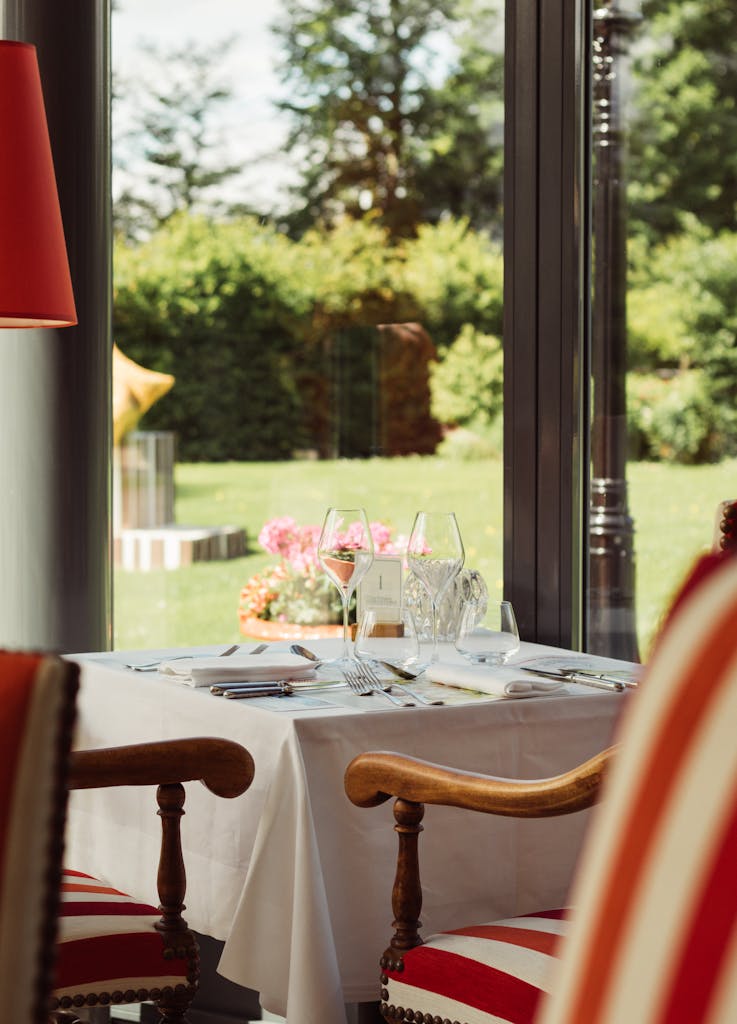
The Tunica people, Chinese porcelain traders, French farm wives, and your own grandmother all understood that surrounding ourselves with beauty isn’t luxury—it’s necessity. It’s proof that we’re more than efficient machines. We’re beings who need color, who crave beauty, who deserve to live surrounded by “pretties.”
So here’s to the courage to choose beauty, to display what delights us, to live in full color. Because caring about beauty isn’t shallow—it’s the deepest thing of all. Understanding why beautiful objects matter is understanding what makes us fundamentally human.

Your philosophy on beauty is intriguing. I never thought of the “need” for beautiful things.
Thanks, Art
Beauty is food for the soul♥
Carolyn,
What an intriguing article! Thank you! You and the documentation of your late life journey have truly been inspiring to me. I will write more at a different time.
Your YouTube videos are a Godsend.
Sandra
Welcome, Sandra. And it’s nice to know you found me from YouTube♥ I’ll be here waiting . . . ♥